
Why Safety Should Be Your Top Priority In Residential Demolition
Planning a knockdown rebuild is exciting — it's the first real step toward the home you've been picturing. But before the new build begins, there's an important job to get right first: bringing down the existing structure safely, cleanly and with minimal disruption to your property and street. For homeowners weighing up demolition contractors, safety isn't just a box to tick. It's the single biggest factor that separates a smooth, stress-free project from a messy one.
Why Is Safety Critical in Residential Demolition Projects?
House demolition on the Sunshine Coast is a genuinely technical process, even when it looks straightforward from the footpath. A home is a structure with interconnected loads, services and materials, and taking it down in the wrong order or without the right equipment can cause unexpected structural movement, damage to neighbouring properties or delays that push out your rebuild timeline.
Strict safety procedures exist to protect everyone involved: the demolition crew on site, your neighbours next door and you as the homeowner watching your project come together. A safety-first approach also protects your property itself — driveways, fences, retaining walls and services that need to stay intact or be reconnected once the site is cleared.
For a knockdown rebuild specifically, safety matters even more because the demolition phase sets the foundation, quite literally, for everything that follows. A site that's cleared properly and safely gives your builder a clean, stable slab-ready block to start from, with no surprises waiting underground.
What Are the Key Safety Risks Involved in Demolishing a Home?
Every demolition job involves managing a few core risk areas, and professional residential demolition contractors plan around each one well before machinery arrives on site:
- Structural sequencing: Homes aren't demolished in a random order — there's a specific sequence to how a structure is taken apart, generally working from the roof down, so that nothing becomes unstable or unpredictable partway through the job.
- Site containment: Keeping the work area contained protects your neighbours, passing pedestrians and vehicles on the street from dust, debris and noise. This is especially relevant on the Sunshine Coast, where many residential blocks sit close to neighbouring properties.
- Services management: Power, water and other connections need to be handled in the right order and at the right time. Some services, like water, are often deliberately kept connected during the demolition process to support dust suppression and site safety, while others are disconnected in coordination with your provider ahead of time.
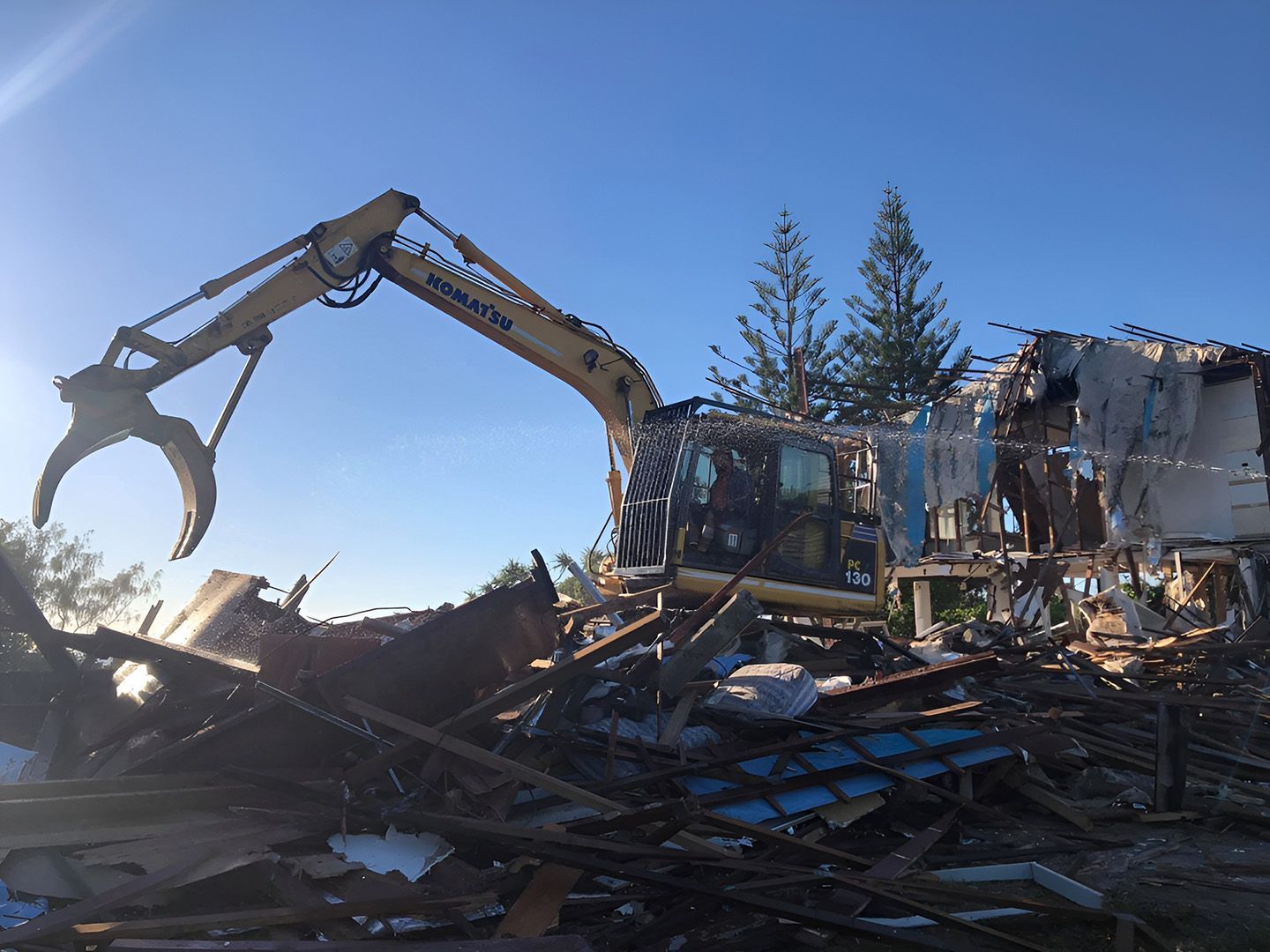
- Equipment operation: Excavators and other heavy machinery need experienced operators who understand how to work safely in a residential setting — a very different environment to an open commercial site.
None of these risks are unusual or alarming when they're managed by an experienced team. They're simply part of the standard planning that goes into every professional demolition job, which is exactly why the process is handled by licensed contractors rather than left to a DIY approach.
How Do Professional Demolition Contractors Manage and Minimise Risks?
This is where the value of an experienced, local demolition contractor really shows. A professional residential demolition company brings a structured process to every job, following a clear pre-demolition checklist.
- Permits and approvals come first: No demolition should begin without the correct permit in place, obtained through your local council, your builder or a private certifier. This step ensures the project has been properly reviewed and meets the standards required for your area.
- Careful planning around the property and its surroundings: Before any work begins, an experienced team will assess the site, plan the safest sequence for the job and factor in anything you want retained — a shed, a pool, established trees or landscaping — so it's protected throughout the process.
- Communication with neighbours: It's good practice, and simply good manners, to let neighbours know when demolition works are scheduled. A considerate contractor will introduce themselves, explain the process and expected timeframes, and answer any questions upfront so there are no surprises for anyone on the street.
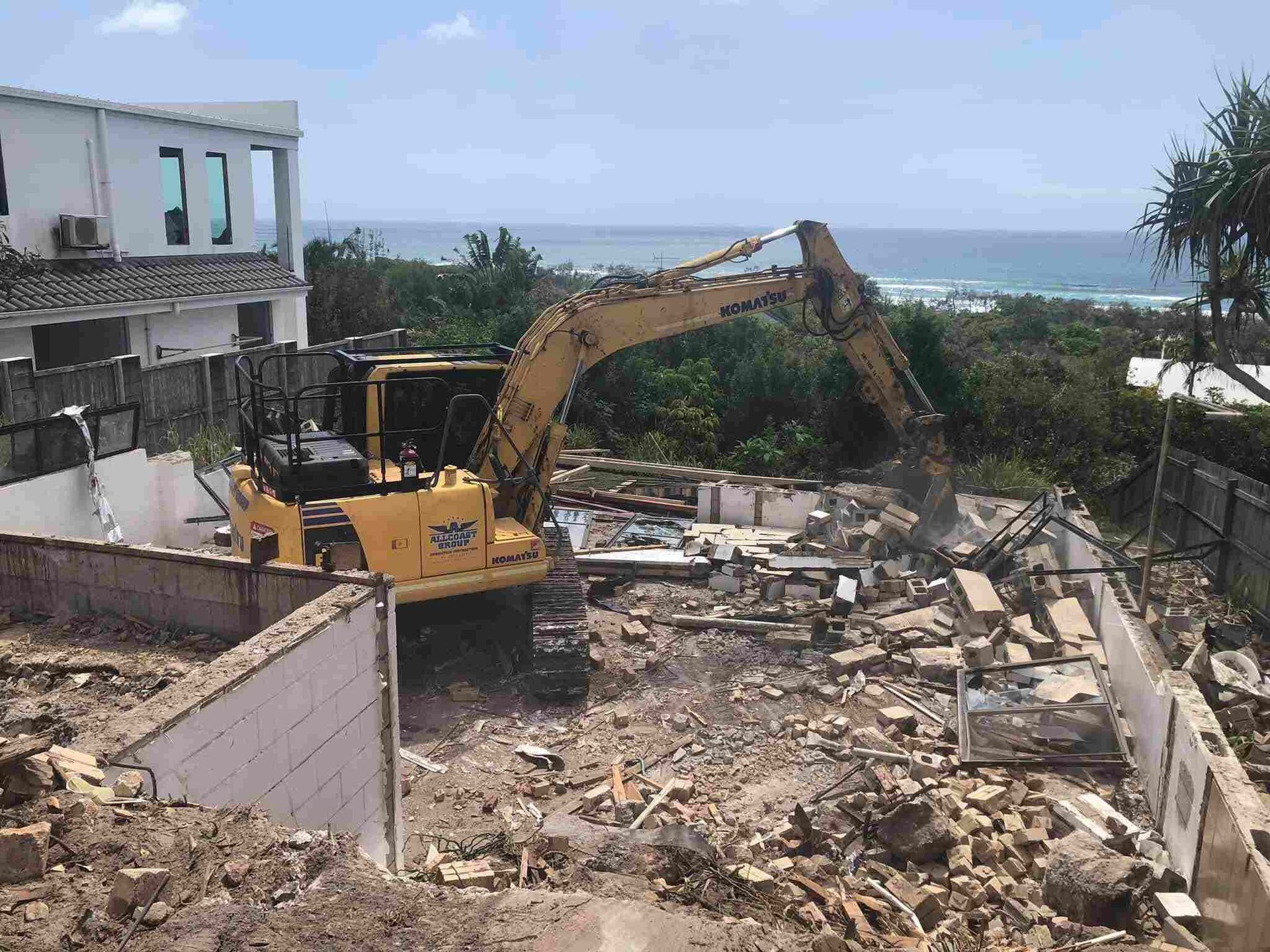
- A methodical, staged approach: Rather than one dramatic knockdown, most residential demolitions work from the roof down over a period of several days — generally around 3 to 5 days for an average home. Salvageable materials are hand-stripped first, followed by machinery work to clear the slab, footings and remaining structure. The site is then track-rolled to leave a clean, level block ready for the next stage of your build.
- Sustainable practices where possible: Many contractors aim to recycle a significant portion of demolition materials rather than sending everything to landfill, which is both a safety and environmental consideration — less material moved off-site haphazardly means a tidier, safer, more efficient process overall.
Taken together, these steps are what separate a professional demolition from a risky one. It's not about dramatic caution — it's about a well-planned, well-executed process that gets the job done properly the first time.
Choosing the Right Team for Your Knockdown Rebuild
If you're planning a knockdown rebuild on the Sunshine Coast, the demolition phase deserves the same level of attention you're putting into your new build. Look for demolition contractors Sunshine Coast homeowners already trust — a team with local experience, a clear process and a genuine focus on doing things properly from permit to final clean-up.
A safe, well-managed demolition sets the stage for everything that follows, giving your builder a clean site to work with and giving you peace of mind that the first step of your project has been handled the right way. If you're ready to start planning your residential demolition, Allcoast Group can talk you through the process and answer any questions about permits, timelines or what to expect on the day.
Call the team on
07 5476 2211 or request a
free quote to get your project moving.