
Demolishing A Granny Flat Or Secondary Dwelling On The Sunshine Coast
Granny flat demolition on the Sunshine Coast is often the first step when a property is being redeveloped. Granny flats, sheds and other secondary dwellings are smaller than a house, but the same rules apply. Council approval is still required, services still need to be disconnected properly and any hazardous materials still need to be identified and removed before work starts.
Why Homeowners Demolish Granny Flats & Secondary Dwellings
There are a few common reasons a granny flat, shed or other secondary dwelling gets removed:
- Renovations or extensions. The structure sits in the footprint of a planned extension or new living space.
- Knock-down rebuild projects. The whole block is being cleared, including the main house, ahead of a new build.
- Ageing or unsafe structures. Older granny flats & sheds can deteriorate to the point where repair isn't worthwhile & shed demolition is often the simplest way to clear the space.
- Subdivision or site redevelopment. Secondary dwellings can limit what's possible on a block, so they're removed to make way for a new layout or additional lot.
- Change of use. A property owner no longer needs the extra dwelling & wants the space back.
Whatever the reason, secondary dwelling demolition is generally a smaller, faster job than a full house demolition, but it still needs to be planned properly.
Permits Required to Demolish a Granny Flat
A demolition permit on the Sunshine Coast is required for granny flats and other secondary dwellings, not just the main house. The specific approval pathway and paperwork depend on the structure, its location and council requirements at the time, so it's worth confirming what applies to your property before booking a demolition date.
Council approval is typically managed as part of the demolition job, so homeowners aren't left trying to work through requirements on their own.
Granny Flat Demolition vs. Full House Demolition: What's Different
A granny flat or secondary dwelling demolition is generally more straightforward than demolishing a full house, for a few reasons:
- Smaller footprint. Less material to remove & a smaller area to make safe.
- Simpler services. Secondary dwellings often have fewer or simpler electrical, water & sewer connections than the main house, though these still need to be professionally disconnected before work starts.
- Shorter timeframe on site. A smaller structure generally takes less time to bring down & clear than a full residence.
- Different equipment needs. Depending on access & the structure's construction, a smaller job may be manageable with lighter machinery rather than the larger plant needed for a full house.
The approvals process and safety requirements still apply in full, though. Residential demolition services cover everything from a single granny flat through to a full-scale knock-down, so the same standard of planning and compliance applies regardless of the size of the job. If you're weighing up scope and approvals, it's worth understanding the key differences between residential and commercial demolition before you plan your project.
What Affects the Cost of Demolishing a Small Structure
Small structure removal costs on the Sunshine Coast vary from site to site. There's no fixed rate, but the main factors that influence price include:
- Size & construction type. A timber-framed shed is a different job to a fully lined & serviced granny flat.
- Site access. Tight side access, steep blocks or limited room for machinery can add time to the job.
- Utility disconnections. Electrical, water, gas & sewer connections all need to be safely disconnected before demolition & the complexity of this varies by property.
- Hazardous materials. Older structures may contain asbestos, which requires licensed removal before demolition can proceed.
- What's being retained. If nearby structures, fencing, gardens or the main house need to be protected during the work, that adds a layer of planning.
- Waste volume & disposal. The amount of material generated and how much can be recycled versus sent to landfill affects overall cost.
For an accurate figure, a site assessment is the only reliable way to scope the work. Residential demolition costs always come down to what's on your block, so general guidance can point you in the right direction, but a quote is the only way to get a real number.
The Demolition Process, Step by Step
A typical granny flat or secondary dwelling demolition follows this sequence:
- Site inspection & quote: The structure is assessed, along with access, services and any hazardous materials, to scope the job accurately.
- Approvals: Council approval is obtained before any physical work begins.
- Utility disconnection: Power, water, gas and any other services are disconnected by the relevant providers or licensed trades.
- Hazardous material removal: If asbestos or other hazardous materials are present, these are removed by licensed specialists first.
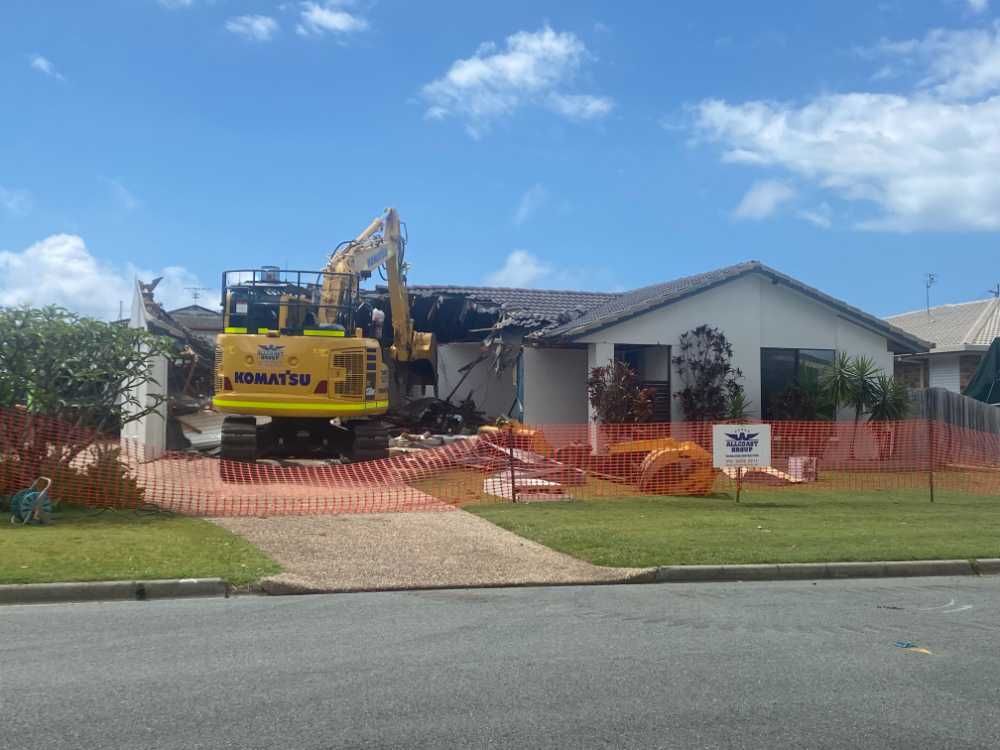
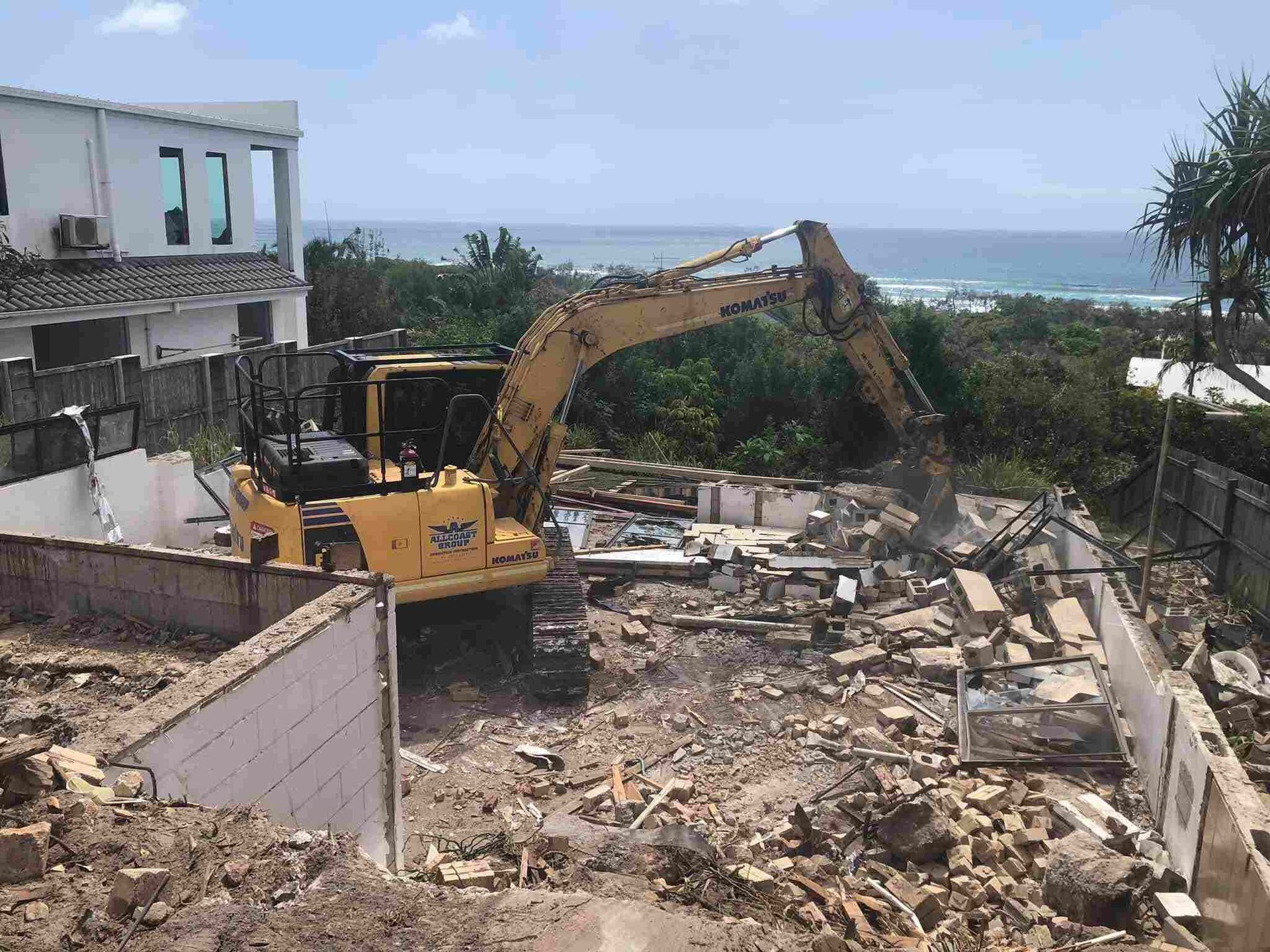
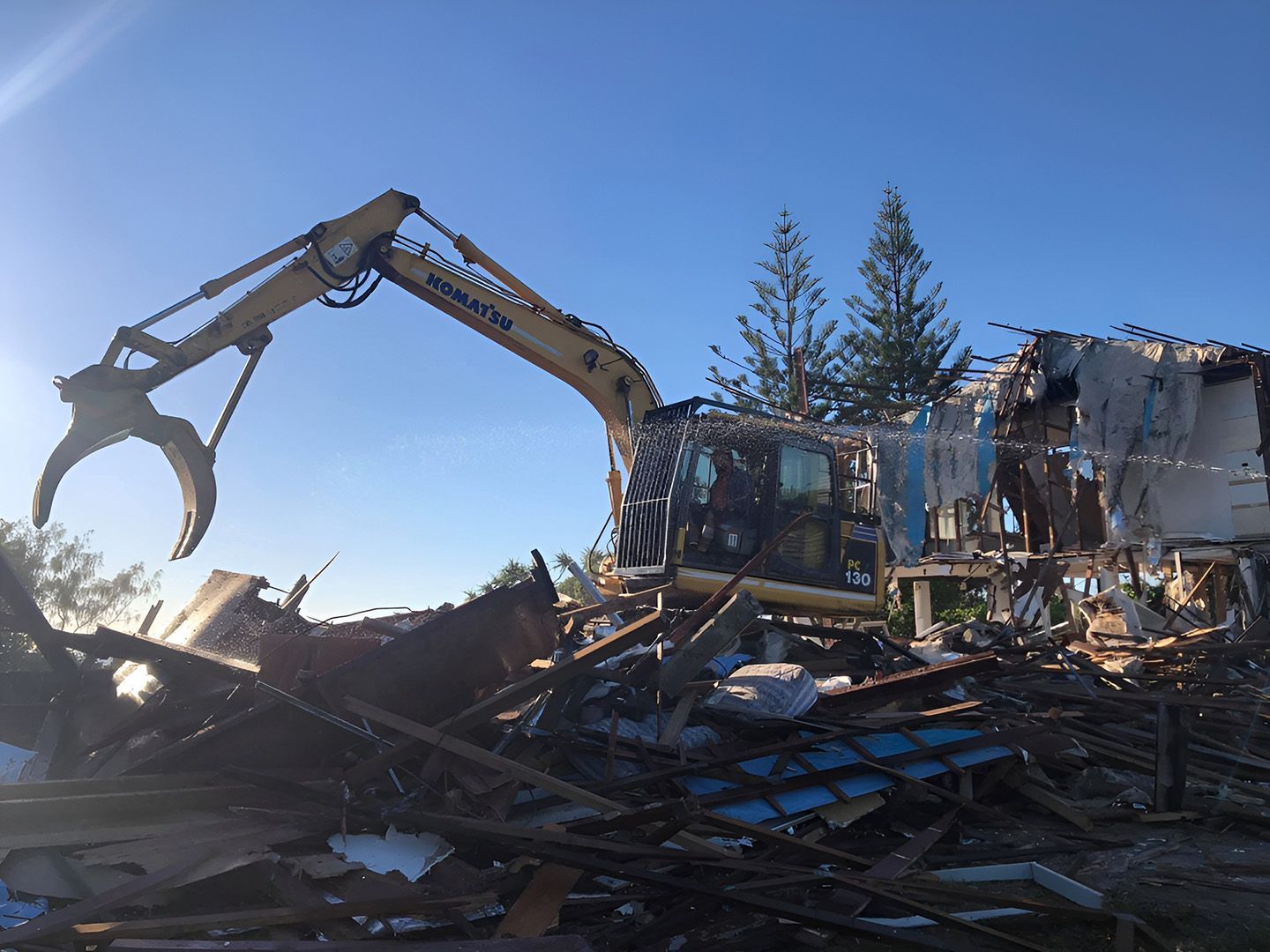
- Demolition: The structure is brought down using the appropriate method and equipment for its size and construction.
- Sorting & salvage: Materials such as timber, metal and concrete are separated for recycling where possible.
- Site clean-up: Debris is cleared and the site is left level and ready for the next stage, whether that's construction, landscaping or simply vacant.
If only part of the structure needs to come down, or you want to retain some elements for reuse, a
partial demolition can be a more cost-effective option than a full teardown.
Things to Consider Before You Start (Utilities, Neighbours, Retained Structures)
A few practical points worth sorting out before demolition day:
- Utility disconnections: Confirm which services run to the secondary dwelling and arrange disconnection with the relevant provider ahead of time. This avoids delays once the crew is on site.
- Neighbour notifications: Depending on the scale of the job and its proximity to boundaries, letting neighbours know in advance helps avoid disruption or confusion on the day.
- Retained structures: If the main house, a fence, a pool or landscaping is staying, this needs to be clearly identified so it can be protected during the works.
- Access for machinery: Check whether machinery can reach the structure directly or whether hand demolition or smaller equipment will be needed.
- Timing around other works: If the demolition is part of a larger renovation or rebuild, coordinating the timing with your builder or architect helps keep the overall project on track.
Getting these details sorted before the job starts helps the demolition run smoothly and avoids surprises once work is underway.
Ready to Book Your Demolition
Granny flat demolition on the Sunshine Coast is a common first step whether you're renovating, extending, clearing a block for a knock-down rebuild or simply removing a structure you no longer need. Getting the approvals, disconnections and demolition sequence right from the start keeps the project on track.
Request a free quote from
Allcoast Group to get a clear picture of what your secondary dwelling removal or granny flat demolition on the Sunshine Coast will involve.