
Demolition Vs. Renovation: How To Decide What’s Best For Your Property
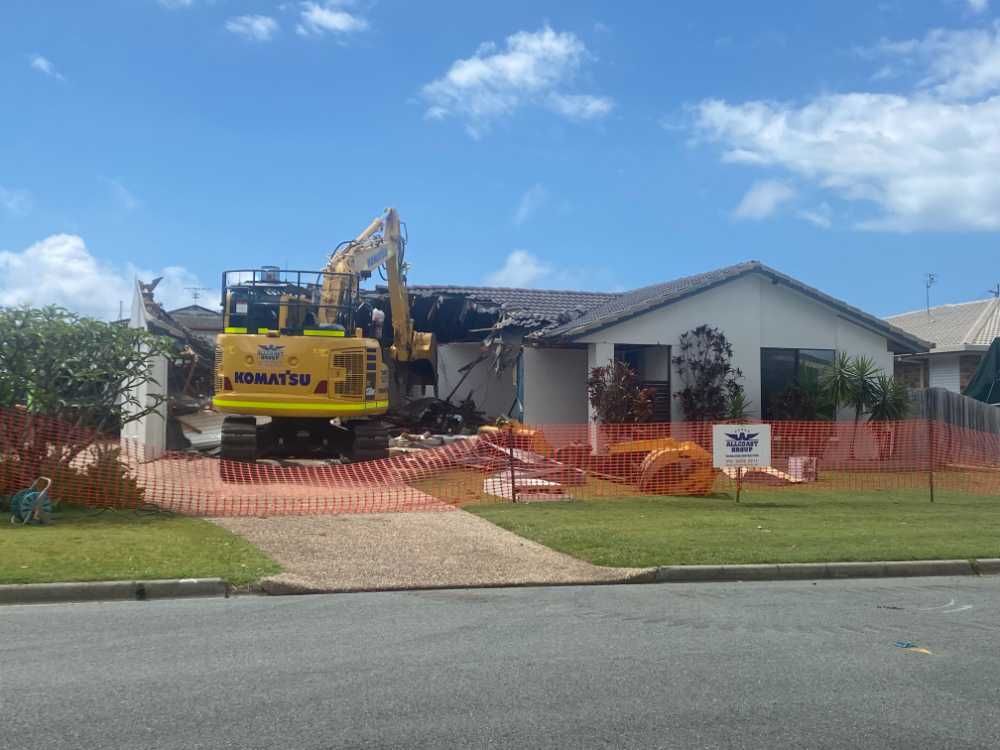
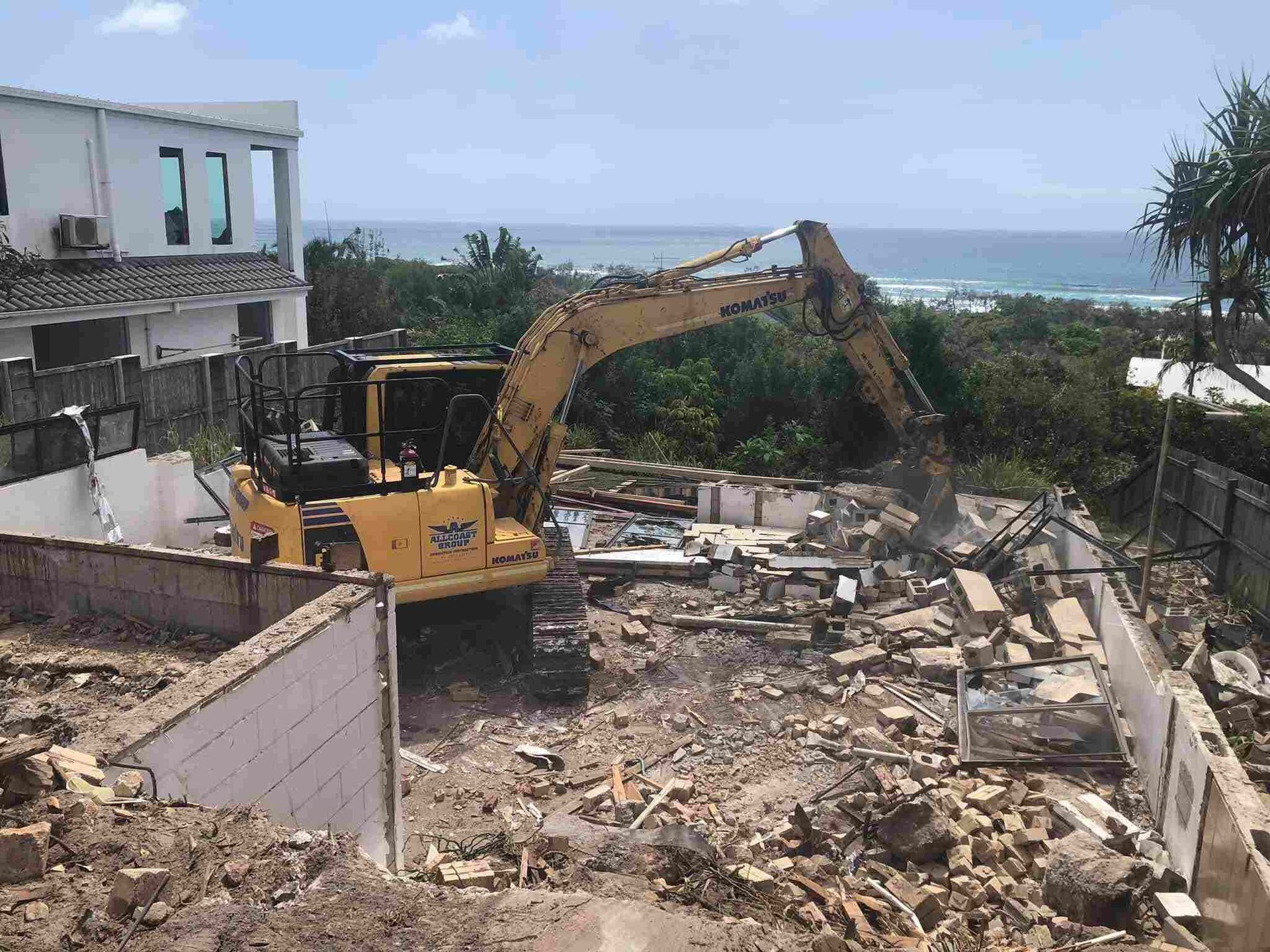
The decision between renovation and demolition should start with a clear-eyed look at what the existing building can realistically support. Many homes reach a point where making meaningful changes requires extensive structural work before any upgrades even begin. When layouts are inefficient, ceiling heights are limiting or major alterations are needed to achieve modern standards, renovation can quickly lose its appeal. This is often when property owners begin to explore demolition on the Sunshine Coast as a more practical alternative, not because they want to start over, but because the structure leaves little room to move forward efficiently.
For many owners, this realisation comes gradually. Initial plans to update a single area can reveal broader constraints that affect the entire property. As more limitations emerge, the focus often shifts from how to renovate to whether renovation is the right approach at all.
Determining Whether The Building Has A Viable Future
The decision between renovation and demolition should start with a clear-eyed look at what the existing building can realistically support. Many homes reach a point where making meaningful changes requires extensive structural work before any upgrades even begin. When layouts are inefficient, ceiling heights are limiting or major alterations are needed to achieve modern standards, renovation can quickly lose its appeal. This is often when property owners begin to explore demolition on the Sunshine Coast as a more practical alternative, not because they want to start over, but because the structure leaves little room to move forward efficiently. Assessing viability is not about identifying flaws in isolation, but understanding how those issues interact. A layout that resists change, combined with structural constraints, can significantly limit what a renovation can achieve without disproportionate cost or compromise.
A proper assessment usually considers:
- Overall structural condition
- How adaptable the existing layout is
- The scale of work required before improvements begin
- Whether limitations force ongoing compromise
Recognising When Renovation Stops Delivering Value
Renovation can appear cost-effective at the planning stage, but that perception often changes once work begins. As materials are removed and changes are made, additional issues can surface that expand the scope without improving the final outcome. Costs increase, timelines extend and the project shifts from improvement to management of constraints. At this stage, the focus often moves away from achieving a better result and towards containing escalation. The project may still progress, but the value of each additional dollar spent becomes harder to justify. When a large portion of the budget is spent correcting underlying issues, the return on renovation diminishes.
Indicators this stage has been reached include:
- Rising provisional allowances
- Structural work dominating the budget
- Design changes driven by limitations
- A shrinking cost gap between renovation & rebuild
Understanding What Demolition Allows You To Do
Demolition removes the need to work around an outdated structure. Instead of adapting spaces that were never designed for modern use, a new build can be planned based on current expectations for layout, flow and functionality. This often results in a clearer, more efficient design process. Without the constraints of existing walls, levels or services, design decisions can be made based on function rather than feasibility. This clarity can simplify both planning and construction. From a construction perspective, starting with a cleared site also reduces complexity and improves sequencing.
Outcomes commonly associated with this approach include:
- Purpose-designed internal layouts
- More efficient use of space
- Clear construction stages
- Fewer structural workarounds
Comparing Cost Certainty Between The Two Options
One of the key differences between renovation and demolition is predictability. Renovations frequently involve unknowns that only become apparent once work is underway, making budgets difficult to control. Even well-planned projects can change significantly as new issues emerge. These changes can affect not only cost, but also scheduling and financing, particularly when works need to pause while solutions are reassessed. Demolition followed by new construction typically allows costs to be defined earlier and managed more consistently.
Cost-related factors often include:
- Clear separation of demolition & build costs
- More accurate upfront pricing
- Reduced variation during construction
- Greater confidence in financial planning
Aligning With Current Building Expectations
Older buildings were constructed under standards that no longer reflect current requirements. Renovating within those limits can require continual adjustments that affect approvals, timelines and design outcomes. Even after extensive work, performance may still fall short of modern expectations. This can result in a finished property that looks updated but does not perform as efficiently or consistently as intended. Demolition allows a new structure to be planned entirely within current standards from the outset.
This approach generally results in:
- Smoother approval processes
- Consistent construction outcomes
- Improved long-term performance
- Reduced need for post-completion changes
Evaluating The Land Rather Than The Structure
In many cases, the land holds more value than the building sitting on it. Renovation focuses investment into a structure that may still limit how the site can be used. Demolition shifts attention to what the block itself can support now and into the future. This shift in focus can open opportunities that renovation alone cannot achieve, particularly where the existing building underutilises the site. This consideration is especially relevant where the existing footprint restricts flexibility.
Land-focused outcomes often include:
- Improved site planning
- Better design adaptability
- Stronger long-term use potential
- Clearer alignment with future needs
Considering Timeframes & Disruption
Renovations often require staged work and ongoing adjustments, which can extend timelines and disrupt daily routines. Delays are common when unforeseen issues arise, particularly in older buildings. These interruptions can place pressure on occupants, schedules and budgets, especially when timelines become uncertain. Demolition followed by a new build usually provides a clearer sequence, with defined milestones and fewer interruptions once construction begins.
Time-related considerations include:
- More predictable scheduling
- Reduced on-site complexity
- Clear transition between old & new
- Improved coordination of works
Making A Decision Based On Practical Outcomes
While emotional attachment to a property is understandable, major decisions benefit from objective evaluation. Assessing structure, cost, compliance and long-term usability provides clarity when choosing between renovation and demolition. Taking a measured approach allows decisions to be based on outcomes rather than assumptions or sunk costs. Early input from experienced demolition professionals can help determine whether renovation is realistic or whether starting again will deliver a better outcome.
Key factors typically weighed include:
- Structural limitations versus improvement potential
- Budget certainty versus ongoing risk
- Long-term functionality
- Flexibility for future change
Planning Your Next Step With Confidence
We at
Allcoast Group Demolition Contractors work with homeowners, investors and developers across the Sunshine Coast who are deciding whether renovation or demolition is the right path for their property. Our team provides clear advice and professional demolition services to support informed decisions. If you are considering your options and want practical guidance,
contact us,
call our team or book a consultation to discuss the best way forward.