
How Demolition Contractors Handle Sloping & Uneven Blocks On The Sunshine Coast
When it comes to demolition on sloping blocks on the Sunshine Coast, success starts well before any machine reaches the site. It comes down to planning around the terrain first. Hillside, acreage and hinterland properties can be demolished just as effectively as flat suburban blocks, but the process looks a little different – from how machinery gets in, to how retaining structures are managed, to how the site is left once the work is done.
Why Sloping & Uneven Blocks Present Unique Demolition Challenges
Flat suburban blocks generally allow demolition equipment to move freely and access every side of a structure with minimal adjustment. Sloping and uneven blocks change that equation, since grade changes can affect where machinery safely sits and how the surrounding landscape is protected during the works.
This is particularly common across the Sunshine Coast hinterland, where properties in areas like Maleny, Montville and Flaxton often sit on elevated or terraced blocks with established gardens or steep driveways. Allcoast Group Demolition Contractors on the Sunshine Coast carry out residential demolition on sloping or uneven blocks across the hinterland regularly, adapting equipment and methods to suit each site rather than applying a one-size-fits-all approach.
Assessing Site Access Before Demolition Begins
Before any demolition date is confirmed, a site assessment identifies exactly how machinery and trucks will reach the structure. This matters more on a sloping block than almost any other stage, because access issues discovered on the day can cause delays.
A thorough access assessment typically looks at:
- Driveway width, gradient & surface condition
- Whether trucks can turn around or need to reverse in & out
- The location of overhead power lines or low tree cover
- Council requirements for traffic management on narrow or shared roads
Getting this right from the outset means the crew arrives with machinery already matched to the site.
Machinery Placement & Manoeuvring On Steep Or Uneven Terrain
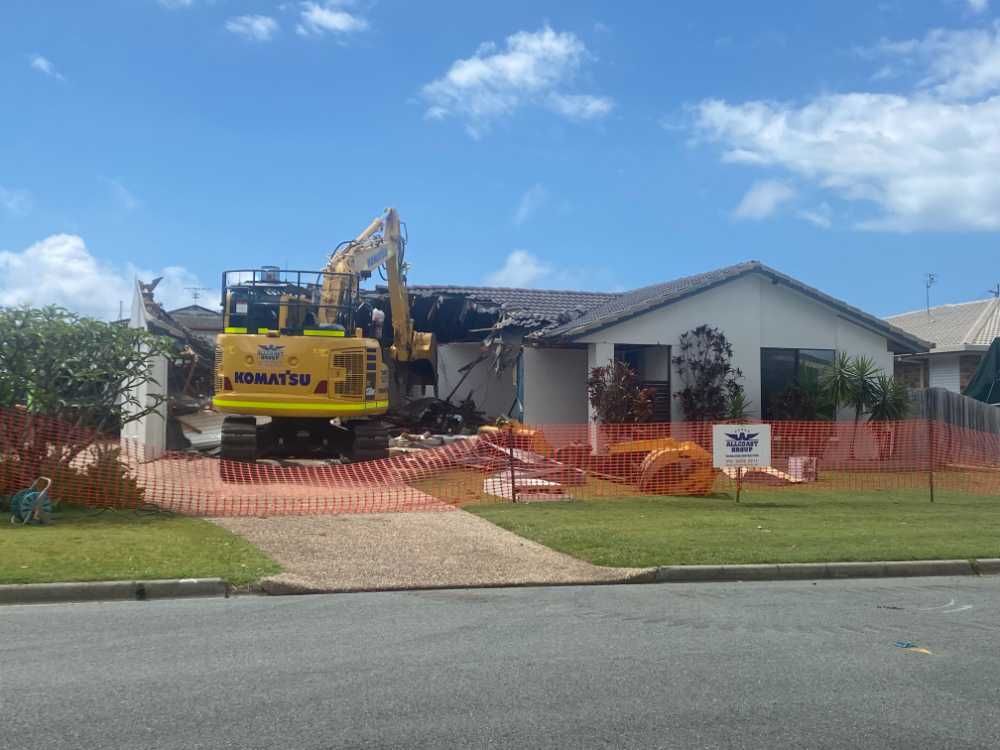
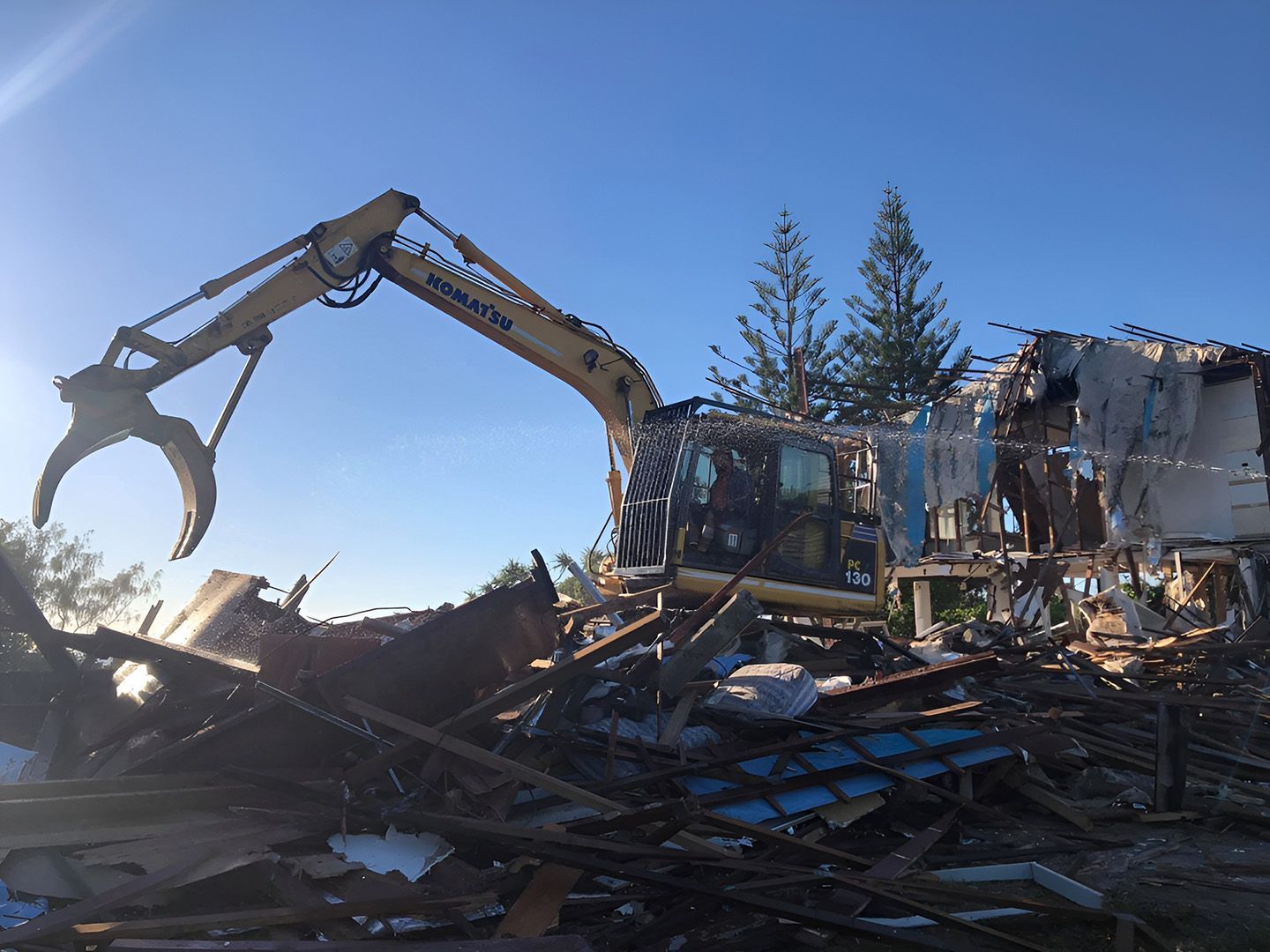
Once access is confirmed, the next consideration is where machinery will sit while work takes place. On a graded or terraced property, machinery needs stable, load-bearing ground that won't shift under weight. Smaller, more manoeuvrable excavators are often used on tighter or steeper sites, sometimes working in stages rather than clearing an entire structure in one pass.
Temporary ground protection or matting can also be laid down to spread machinery weight more evenly, particularly around garden beds, pools or established trees the homeowner wants to retain.
Retaining Walls & Structural Considerations On Hillside Properties
Many hillside and hinterland properties rely on retaining walls to manage the natural slope of the block. These need to be factored into the demolition plan from the start, since removing a building near a retaining wall without the right sequencing can put unnecessary pressure on it.
Before work begins, an experienced contractor will assess:
- Which retaining walls are structural versus decorative
- Whether any walls need temporary bracing during demolition
- How close machinery can safely operate to existing structures
Getting this sequencing right protects the long-term stability of the block, which matters just as much for a future rebuild as it does during demolition.
Managing Erosion & Drainage On Sloped Sites
Sloped blocks naturally move water differently to flat ones, and demolition temporarily changes how a site handles rainfall by removing structures, guttering and groundcover all at once. Temporary erosion and sediment controls, such as silt fencing or diversion drains, are commonly used to manage run-off and protect neighbouring properties downhill.
Just as weather can affect access and scheduling, Allcoast Group Demolition Contractors has covered how site conditions affect demolition work more broadly, and the same planning principles apply directly to steep or hinterland blocks.
Planning For A Smooth Demolition On Acreage & Hinterland Properties
Acreage properties across the Sunshine Coast often come with their own considerations: longer access roads, multiple outbuildings, established fencing or septic and water infrastructure that needs identifying before work starts. A clear scope of works agreed before the demolition date keeps these projects moving without surprises partway through.
For many hinterland owners, a knockdown rebuild on acreage properties makes more financial sense than trying to renovate around a difficult slope. Planning the demolition with the future build in mind tends to produce a smoother outcome overall.
Why Local Experience Matters For Sunshine Coast Hillside Demolitions
Every hinterland and hillside block has its own quirks, and local experience makes a real difference in how smoothly a demolition runs. Contractors who regularly work across the Sunshine Coast's varied terrain bring practical knowledge of council requirements, common site conditions and the kind of machinery that suits each type of block.
If your property has a steep or uneven block, request a quote and the Allcoast Group Demolition Contractors team can assess machinery access and retaining requirements before work begins, so you know exactly what to expect from the outset.
Frequently Asked Questions